


Why Choose MHPOWOS for Off-Grid Living?

Innovative Solar Solutions

High Efficiency

Portability
Perfect for Off-Grid Scenarios
Stay powered while traveling off-grid with portable solar charging for power stations, lighting, refrigerators, fans, and everyday electronics.
Ideal for: RV trips; Van life; Overlanding; Road travel

Generate reliable renewable energy for cabins, tiny homes, and remote outdoor locations without depending on traditional utility power.
Ideal for: Off-grid cabins; Tiny homes; Outdoor workspaces; Rural locations

Bring portable power wherever your adventure takes you. Charge your power station during the day and enjoy dependable electricity at night.
Ideal for: Camping; Hiking; Fishing; Outdoor exploration

Be prepared for blackouts, storms, and unexpected power outages with a reliable solar backup energy solution.
Ideal for: Home backup Emergency preparedness Disaster response Communication devices


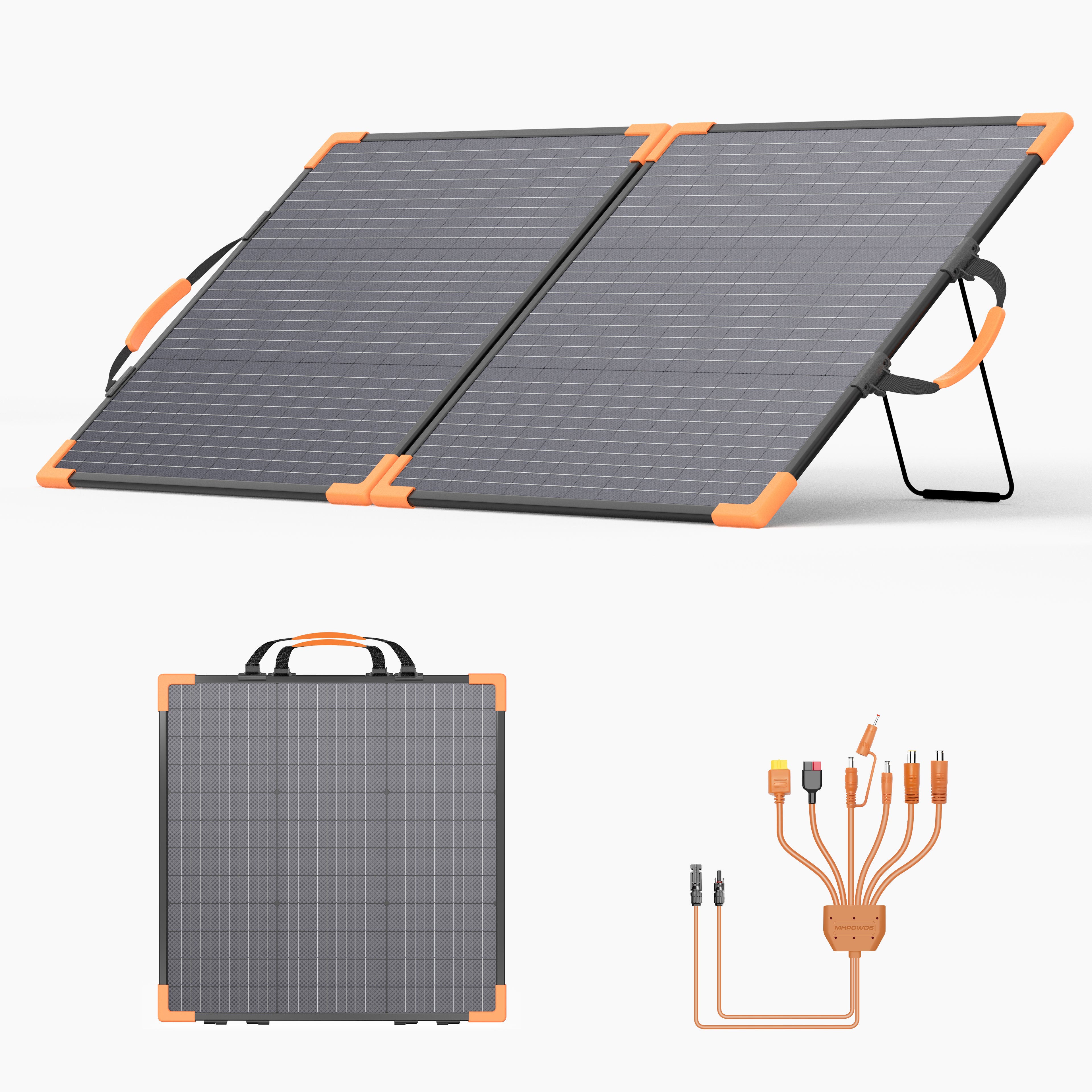


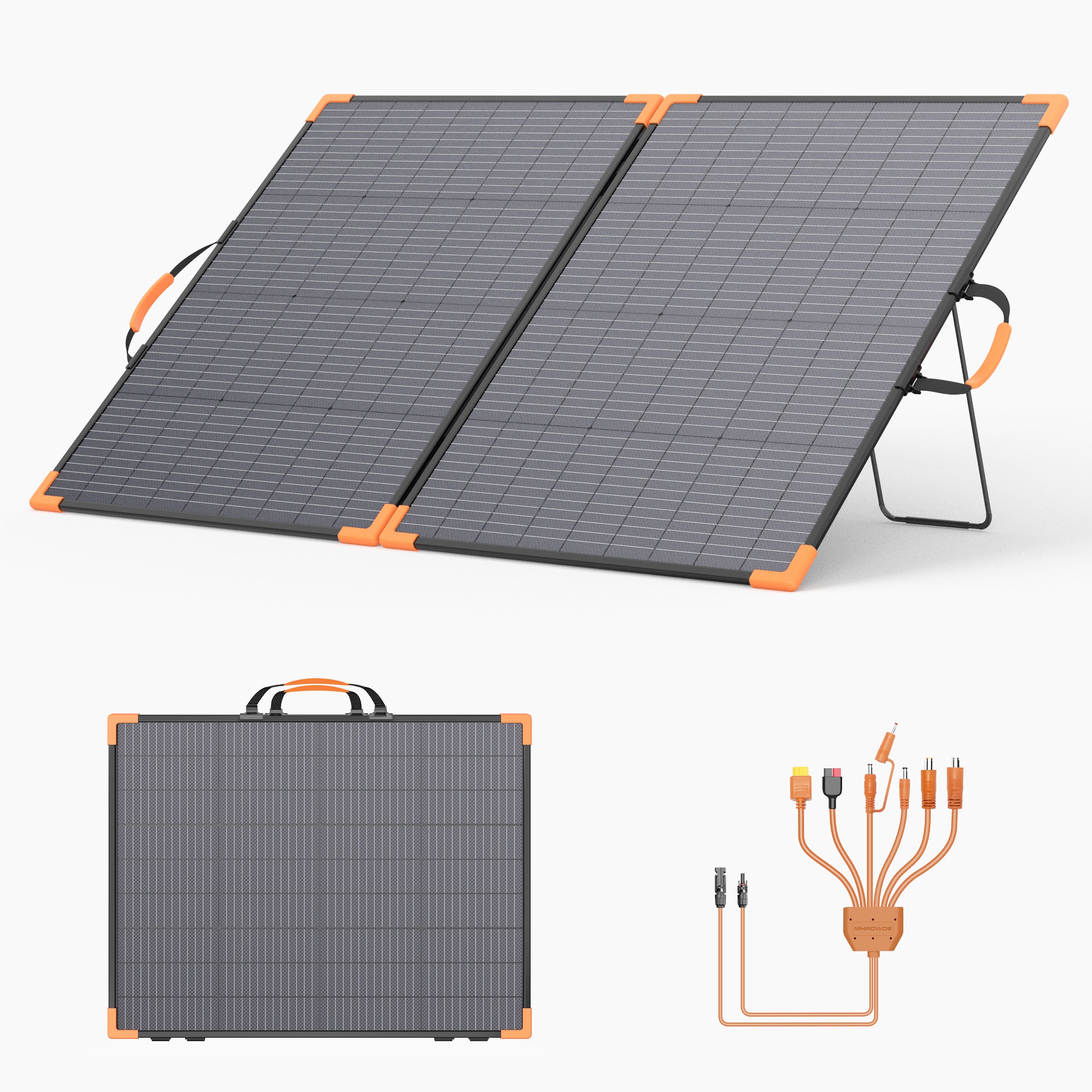


Choose a MHPOWOS to Estimate Runtime
Select a Jackery power station and enter your appliance’s wattage to estimate the running time.
Check the Power of Electrical Appliances
Note: This is a calculation for reference. Please take the actual use for accuracy

Built for Outdoor Adventures


Reliable in Various Weather Conditions
Dustproof & Outdoor Durable
IP65–IP67 Waterproof Protection
Reliable in Various Weather Conditions
Dustproof & Outdoor Durable
IP65–IP67 Waterproof Protection
Powerful Solar Panel, Protecting Every Home


Power story

Emma Carter — Home Backup Security
When a severe storm caused a long power outage in Texas, Emma relied on her MHPOWOS solar panel and portable power station to keep her home running. From charging phones to powering lights and essential devices, MHPOWOS helped her family stay safe, connected, and prepared during the emergency.
Jake Thompson — RV Life Freedom
Jake spends most of the year traveling across the country in his RV. With MHPOWOS portable solar panels, he can recharge his power station anywhere, giving him reliable energy for cooking, working remotely, and enjoying off-grid adventures without depending on campground electricity.

Sarah Miller — Outdoor Adventure Explorer
As a hiking and camping enthusiast, Sarah needed lightweight and portable energy for her outdoor trips. Her MHPOWOS foldable solar panel keeps her cameras, GPS devices, and portable batteries charged while exploring mountains, forests, and remote campsites.

Olivia Davis — Van Life Journey
Olivia lives full-time on the road and depends on renewable energy for everyday life. Using MHPOWOS solar panels, she powers her portable energy station for work, cooking, and daily essentials while traveling through national parks and remote destinations.
FAQ
1. Why choose MHPOWOS for home backup power?
2. What size solar panel is best for home backup?
3. Why is home backup power important?
4. What devices can a home backup power system support?
5. How do solar panels work with home backup power?